Duties and regulation.
The duties and regulation that bind a firm putting AI to work, being what the SRA, the courts and Parliament expect, and what those expectations mean for the way you supervise, record and explain your decisions. Read these first if you want to know where the lines sit before you choose a tool.
Back to all insights, or start with the complete guide to AI for law firms.
Articles
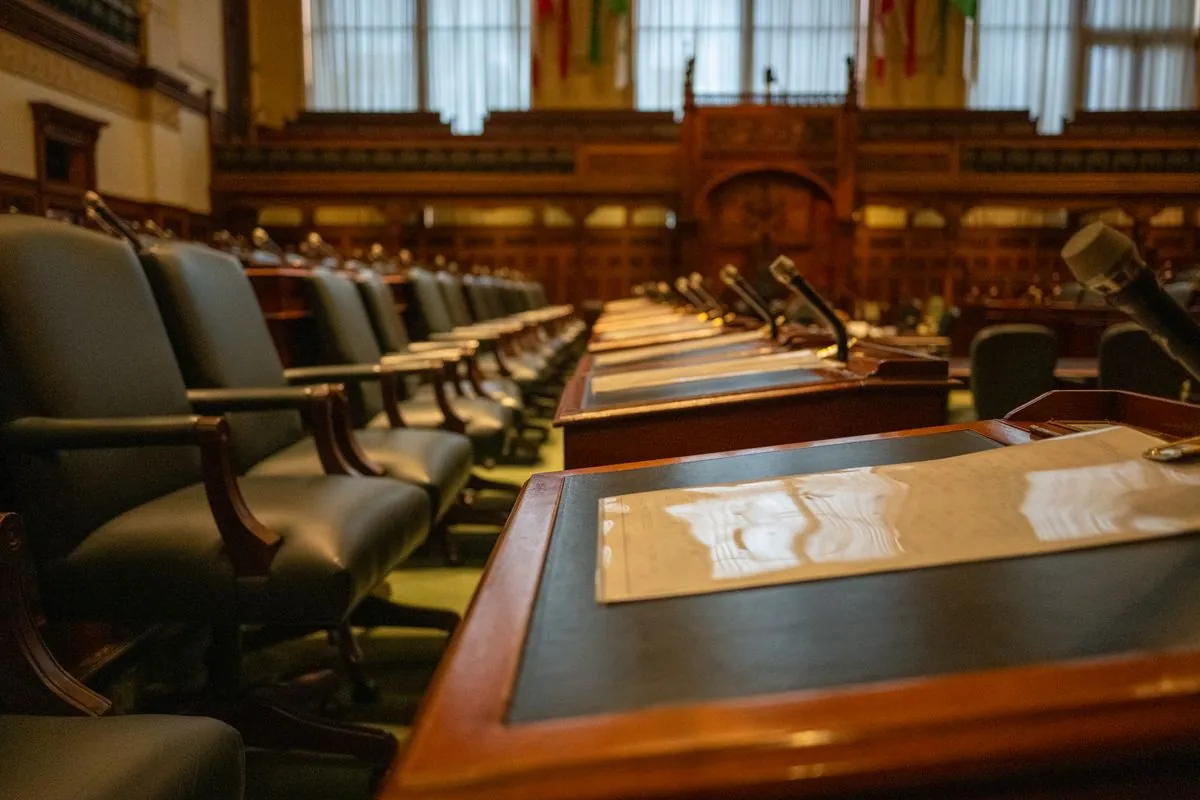
An AI Bill, and where the liability would sit
A committee of both Houses wants an AI Bill. Its finding on where responsibility sits describes the position your firm is already in.
The question it was meant to answer sits on your desk every time a new matter opens.
Digital identity, and who verifies your clients now
The government dropped digital ID in July and the NAO has set out why. Nobody is coming to verify your clients for you, and the fakes keep improving.

Struck off over AI citations, a tribunal first
The SDT struck off a lawyer who put AI-generated authorities before it, then used AI again to correct them. The first ruling of its kind, and it turned on the second attempt.

The compliance officer split and your AI
The SRA has narrowed who the split catches and given smaller firms longer to comply. In many firms the person losing the compliance role is the one who approves the AI.

California's AI rules for lawyers and your firm
Senate Bill 574 would put four duties on a Californian attorney using AI. Three already sit in the rules you practise under, and the fourth is where the two part.

Continuing competence and how you learnt AI
The SRA's fourth annual assessment finds almost half of training records silent on how the learning need arose. What to record about the tools you have adopted.

The SRA warning notice on AI misuse
The regulator has moved from explaining the rules to warning the profession, after 42 reports of possible AI misuse in a year and investigations now open.

Deepfake identity checks and your AML duties
Deepfakes and AI impersonation are now named in the SRA's risk assessment. Remote onboarding and video checks in conveyancing deserve a second look before a fraudster gives them one.

What the EU AI Act now asks of your business
The Act became applicable on 2 August and the omnibus fixed the rest of the timetable. What binds a business now, and the client work it creates.

What the AI Growth Lab admits about the rules
Read as an admission, the AI Growth Lab is the more useful document. Four regulators concede in it what their rules do not yet settle.

The AI Growth Lab, what law firms should know
The government has opened a supervised sandbox where firms and their suppliers test AI tools with the regulators watching. What it offers a smaller firm, and what it does not.

Automated decisions, AI and your law firm
The Data (Use and Access) Act 2025 moved automated decision-making from prohibition to permission with safeguards. What that change lets your firm build, and what it demands in return.

ICO AI and data protection guidance for law firms
The ICO's guidance on AI and data protection maps every UK GDPR principle onto AI systems. Here is what a law firm should take from it.

When not using AI becomes negligence
The UK Jurisdiction Taskforce says a professional can be liable for using AI badly, and for failing to use it where a competent practitioner would have.
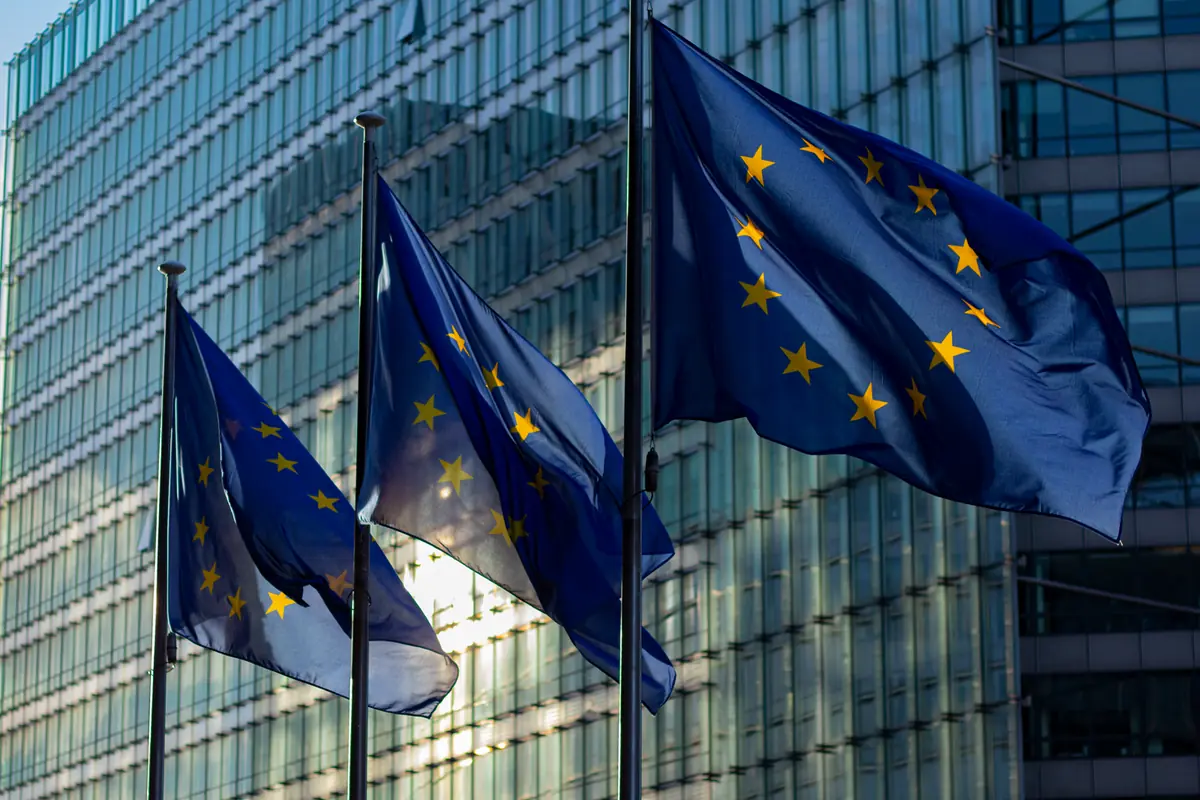
The EU AI Act deadline that touches UK firms
From 2 August 2026 the EU begins enforcing its rules on general AI models. The transparency duties reach beyond the EU, and your vendor checks get sharper.

The SRA's rewritten supervision guidance
The regulator has expanded its supervision guidance from nine pages to twenty-four. A named authorised person must stay accountable for AI-assisted work.

The SRA and AI, what the rules require of you
Where your regulatory duties bite when you put AI to work, and how to stay on the right side of them.
The list
Stay in touch.
The writing connects to one email list, so readers hear when something useful goes out. No noise, one clear next step each time.
One email when a new piece goes out, nothing else, and a reply takes you off the list. See the privacy policy.