Courts and cases.
Courts and cases where AI has met the justice system in practice, in judgments, tribunal decisions and procedural rules, from fabricated citations to litigants in person arriving with machine drafted skeletons. Each piece sets out what happened in the case and what a smaller firm should take from it.
Back to all insights, or start with the complete guide to AI for law firms.
Articles
The cost of an opponent's AI output is a cost the tribunal expects the opponent to carry.
The AI skeleton argument you have to answer
A litigant in person filed a 300-page skeleton produced with ChatGPT and asked the other side to find the errors. The EAT has said where that work belongs.

AI in the courts, and the gap the minister named
The justice minister has named transcription, listing and case summarisation as the court tools being built. Your files feel that before the headlines do.

What an AI-assisted litigant in person changes
A student with no legal training used AI to build a hundred-page bundle and beat counsel at Oxford County Court. The preparation gap has narrowed.
A machine placed in front of a juror during a live trial sits one question away from an offence.
AI support for jurors, and what it asks of you
A judge has asked peers to put an NHS self-help assistant in front of jurors. A page open to a juror mid-trial sits one question away from an offence.

AI transcription in social work and the family court
JUSTICE warns that AI transcription in social work is affecting the documents that reach the family court, and the original audio is gone in thirty days.

AI declarations in court documents now in force
The Irish High Court rule took effect on 1 September and reaches cases already running. What it asks, and the habit worth borrowing before any English rule requires it.

AI allegations against experts, what a tribunal said
The Home Office put it to a country expert that a machine wrote his report. Three Upper Tribunal judges found no proper foundation for the suggestion.
The pressure on the bottom of the county court list will arrive as a cost argument rather than a philosophical one.
What AI judges would mean for your small claims
The Master of the Rolls predicts that small disputes will be resolved by machine on economic grounds. The pressure lands on the bottom of your caseload first.

The Online Procedure Rules and the AI code to come
From 7 September the digital service is the only way into the cases these rules cover, and the committee behind them is drafting AI standards next.

Witnesses using AI to prepare for court
A witness who rehearses their evidence with a chatbot puts that evidence at risk, says the Court of Appeal. A paragraph in your client care letter deals with it.
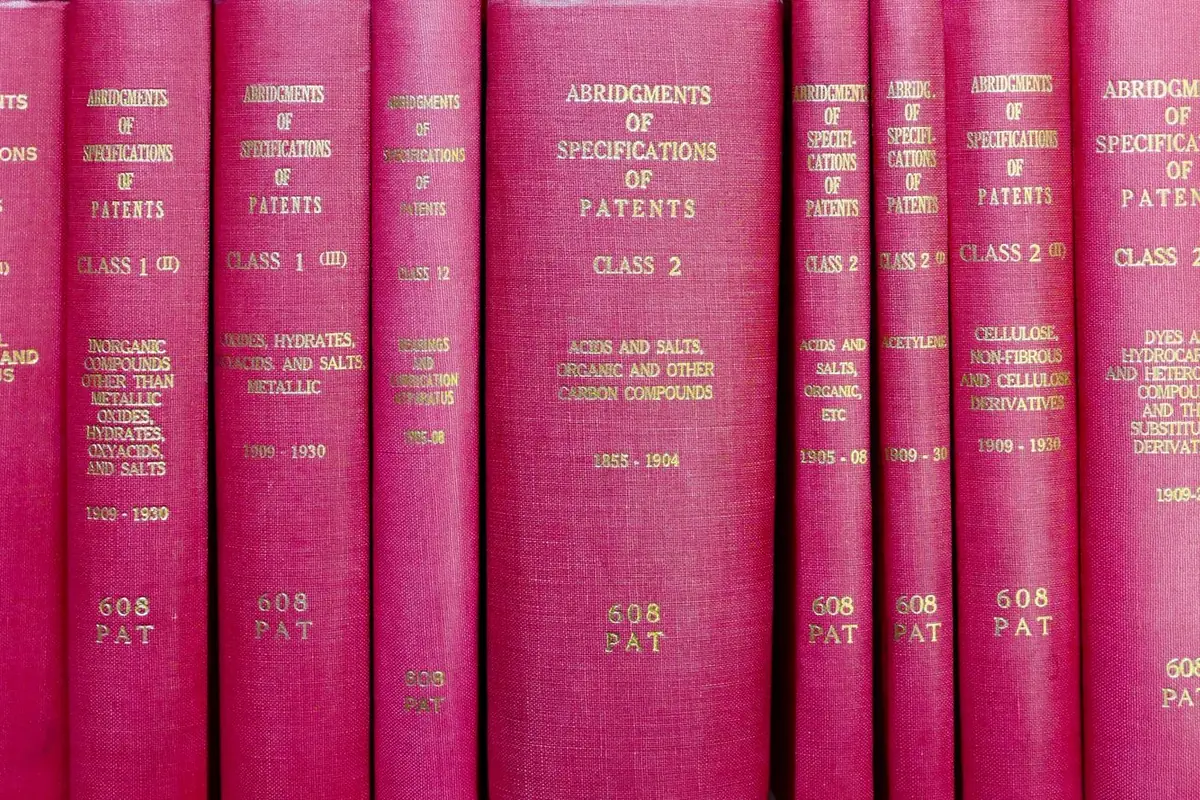
The CPS's hallucinated cases, a lesson for law firms
Two invented authorities reached the High Court in a CPS matter before anyone noticed. Tobosaru is the verification lesson every firm hopes to learn secondhand.

The judiciary's AI guidance, read for law firms
The judiciary's AI guidance tells judges how to approach these tools. Read closely, it also tells a law firm how the bench will read AI-assisted work.

AI in court documents, the CJC's emerging line
The Civil Justice Council has signalled that solicitors who draft court documents with AI face no new disclosure rule, because the named lawyer already carries the responsibility.
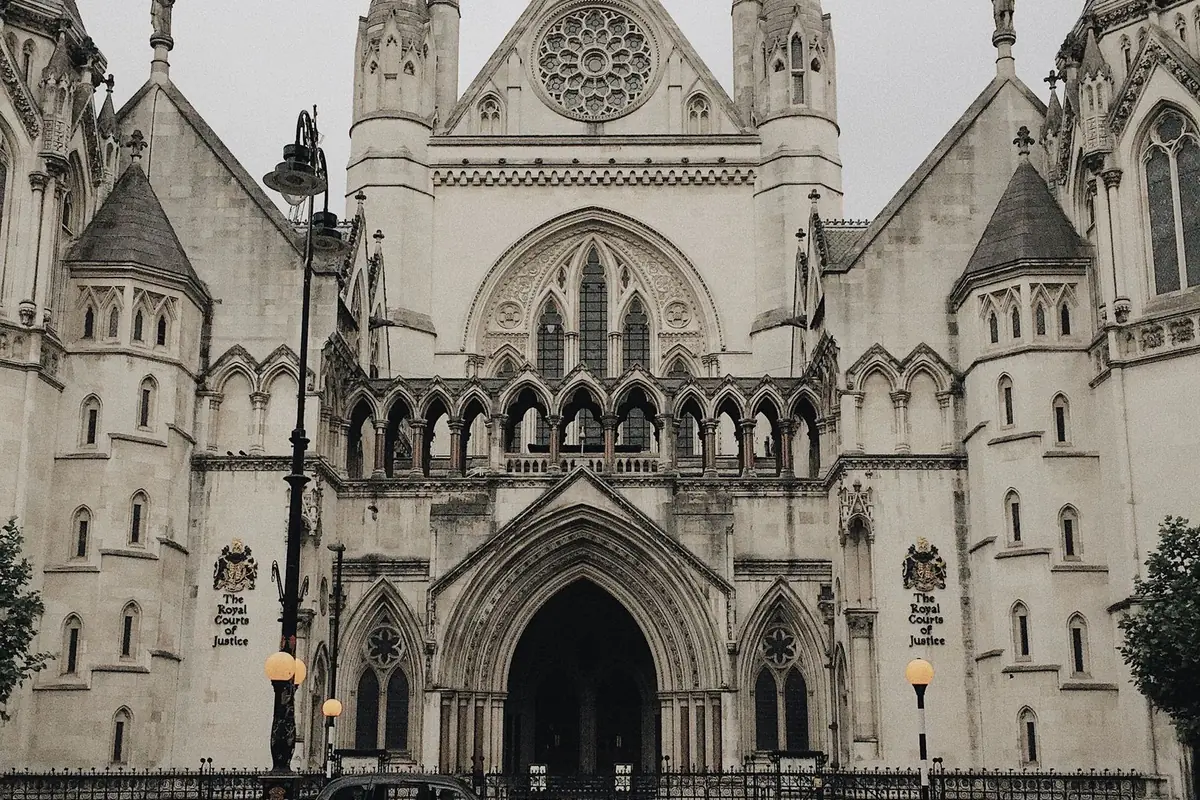
Mazur, AI and the question of conducting litigation
The Court of Appeal settled who may supervise litigation work. It left open whether an AI tool that makes case decisions crosses a line the law reserves for people.
Verify before you file
The count of AI hallucination cases keeps climbing. A simple check between the AI draft and the filing is now part of your duty to the court.
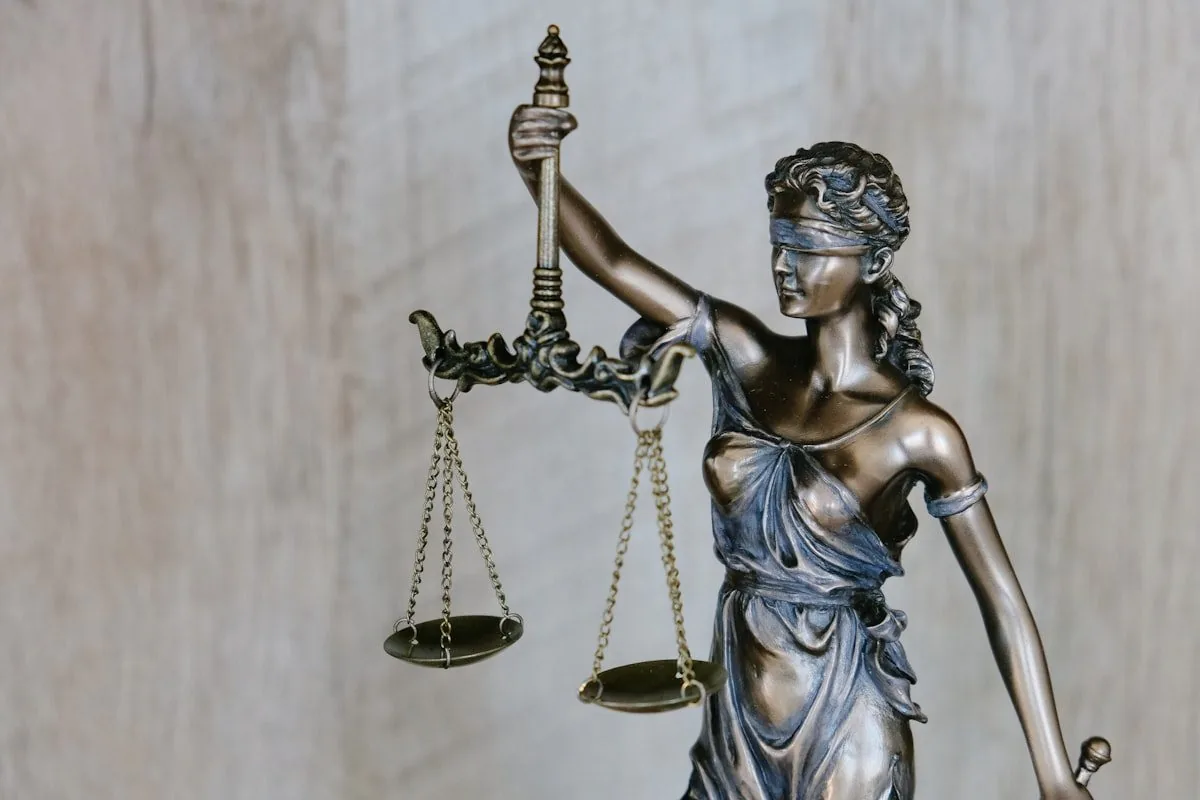
A court's warning on AI hallucinations, and who stays accountable
A ruling found a firm had misled the court through AI hallucinations, and set out plainly where accountability sits.
The list
Stay in touch.
The writing connects to one email list, so readers hear when something useful goes out. No noise, one clear next step each time.
One email when a new piece goes out, nothing else, and a reply takes you off the list. See the privacy policy.